
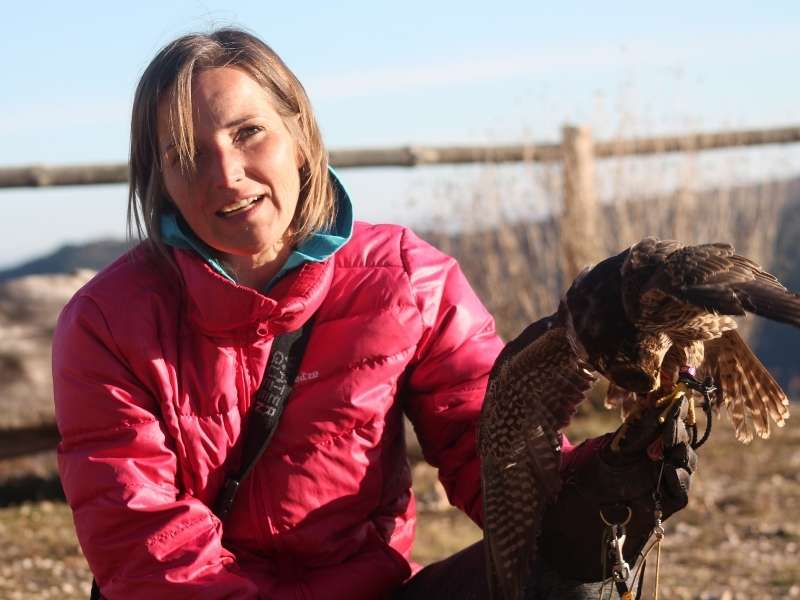
I have dedicated my life to caring for wild animals.
I did not arrive here following a perfect plan, nor because anyone made it easy for me. I arrived here because, from a very young age, I have never been able to look the other way when someone — human or animal — was suffering.
My name is Stania Kuspertova.
From an early age, my life has been shaped by animals, difficult decisions and real responsibility. I have started from zero more than once, learned in different countries, and built — step by step — what today is the Zoo of the Pyrenees, the largest private wildlife rescue centre in Catalonia.
This is my story.
And it explains why I do things the way I do.
Where I come from (and why this is no coincidence)
Stania’s Childhood
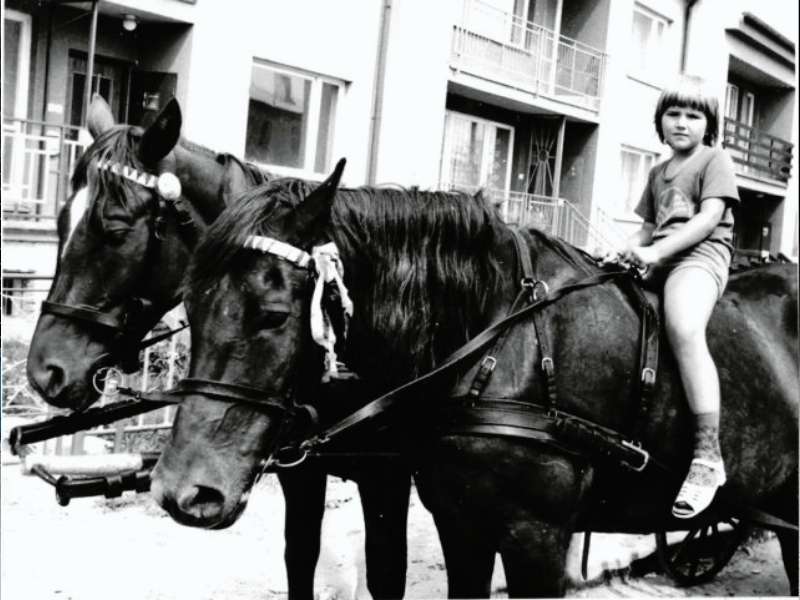
This is me: one of the happiest moments of my childhood. I was born in the Czech Republic, in a small town of 8,000 inhabitants. From a young age, I loved animals, and by then I already knew what I wanted to be: a veterinarian.
The path towards my vocation
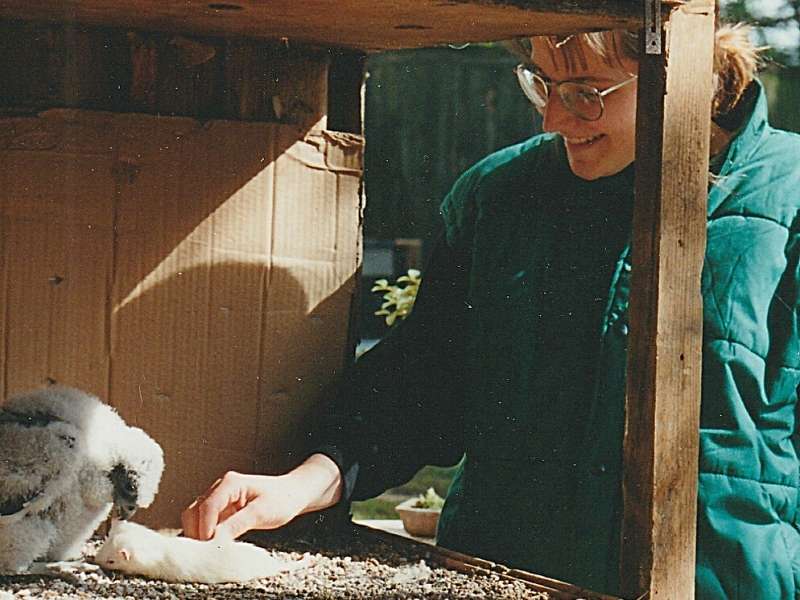
My parents forbade me from studying veterinary medicine. In my late teens, frustrated and unable to follow my vocation, I left home.
I was just eighteen years old.
Learning far from home
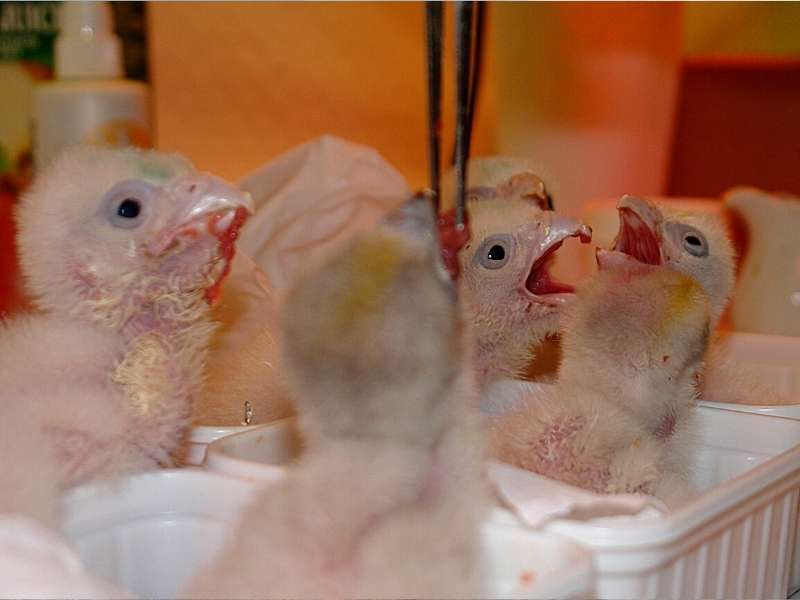
I worked in Germany, at the largest falcon breeding centre in the world. There I learned an enormous amount — not only about birds of prey, but about how large projects really work: teams, pressure, responsibility and long-term commitment.
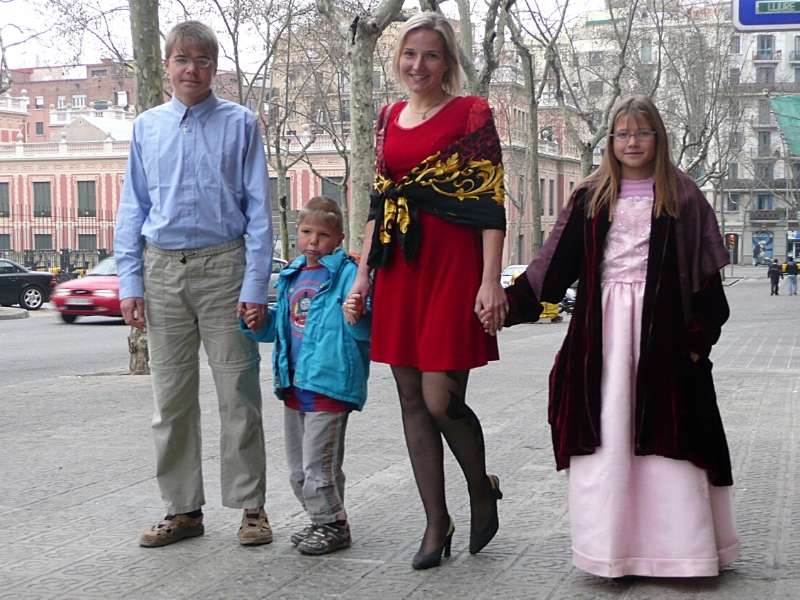
Stania’s family
During this period, I also built a family. I lived a happy and intense life, surrounded by falcons, nature and constant work. I married the owner of the company and we had three wonderful children: Martin, Anna and Lukas.
Family was not a pause in my journey. My children have lived everything alongside me. And they remain, today, an essential part of my life.
Seeing power up close
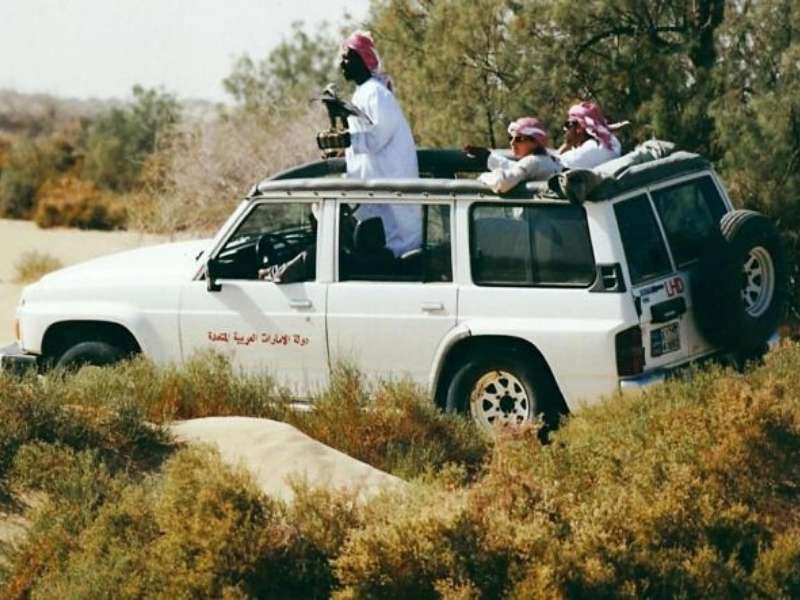
We traveled extensively, especially to Arab countries.
There I encountered cultures very different from my own, and different ways of relating to animals and nature — experiences that taught me a great deal.
I also found myself in environments where power and decision-making are very real. I shared meal with the Crown Prince of Dubai and became the first woman invited into spaces traditionally reserved only for men, such as falcon hunting.
Where the key lies
My time in Arab countries showed me how far an individual can go when they concentrate significant resources and decision-making power.
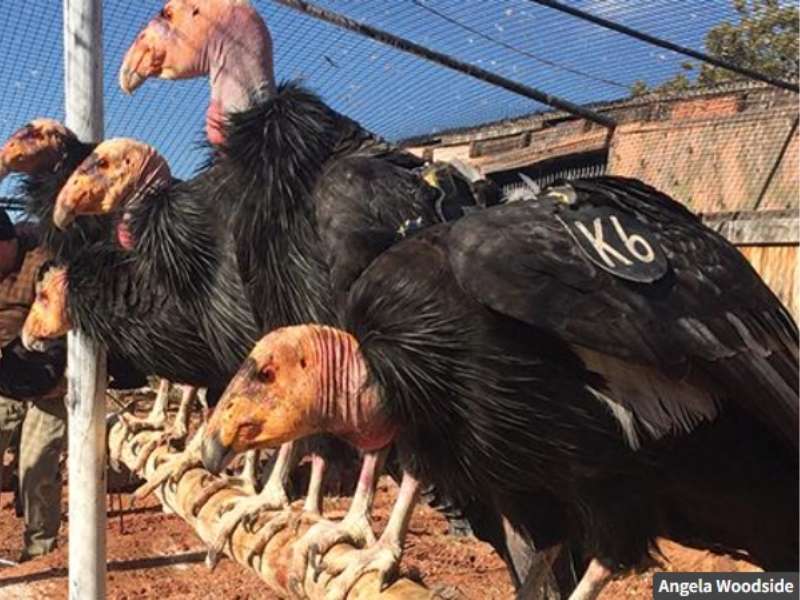
In the United States, invited by The Peregrine Fund, I witnessed another reality: what becomes possible when business leaders combine resources, expertise and long-term commitment to protect endangered species.
That is where I understood something essential: real and lasting change requires resources — but above all, alliances between people united by a clear purpose.
Problems in Germany
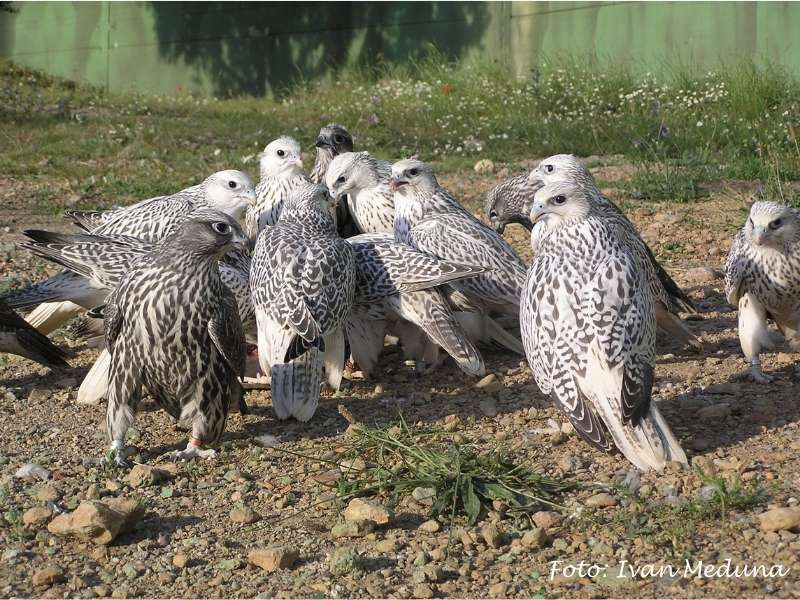
Unfortunately, a mushroom farm set up shop right next to the falcon breeding center. To save money, they didn’t install filters in the growing facilities. The air became filled with spores and invisible but lethal toxins for the falcons.
Catalonia
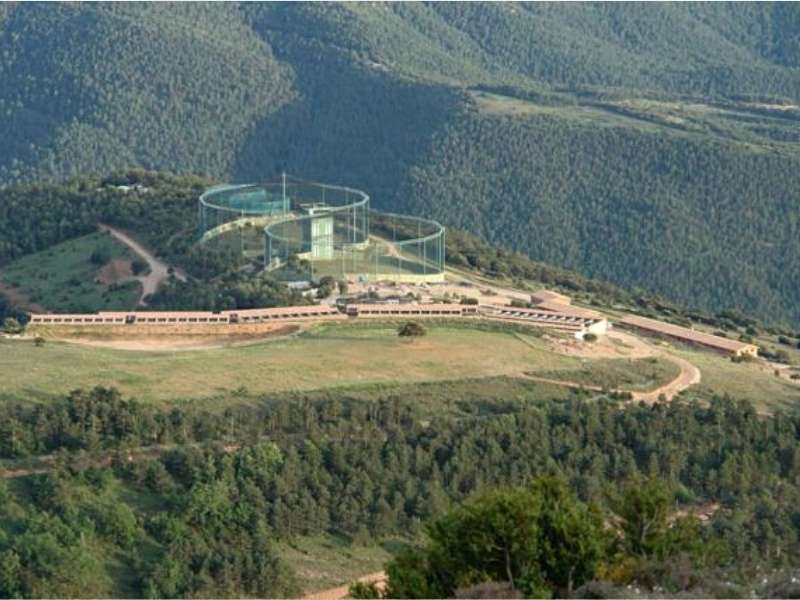
There is no cure for moldy lungs. The falcons were dying; they couldn’t breathe. To save our animals, we made a desperate decision. My husband owned a farm in the Catalan Pyrenees; we transferred the entire business there as quickly as possible.
Restlessness
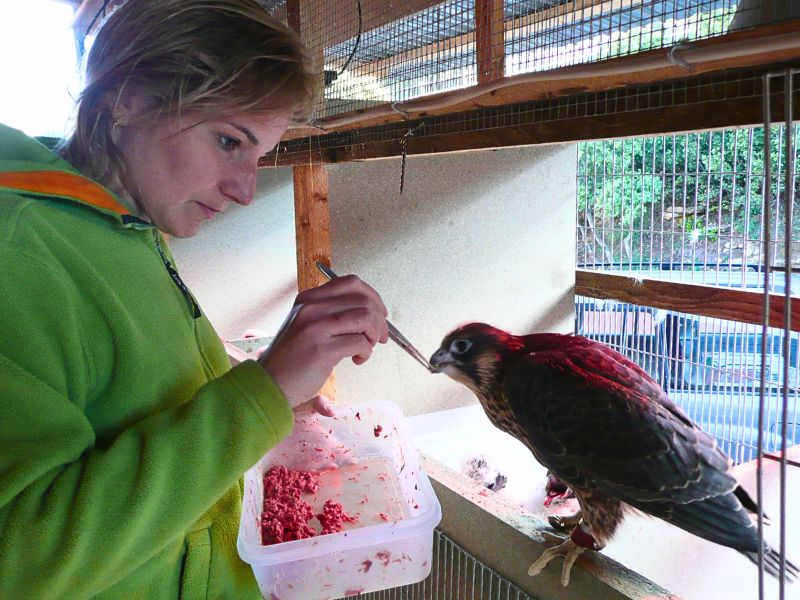
Some falcons still died as a result of the damage already done, but gradually, hope returned.
Even so, I felt restless. I wanted to do more for wildlife. I wanted my life to have meaning. Eventually, I made the decision to move forward, to separate, and to begin a new chapter.
Where it truly began
Starting again. From zero.
That was when I met Eloi. (Yes Ladies and Gentlemen — I am divorced.)
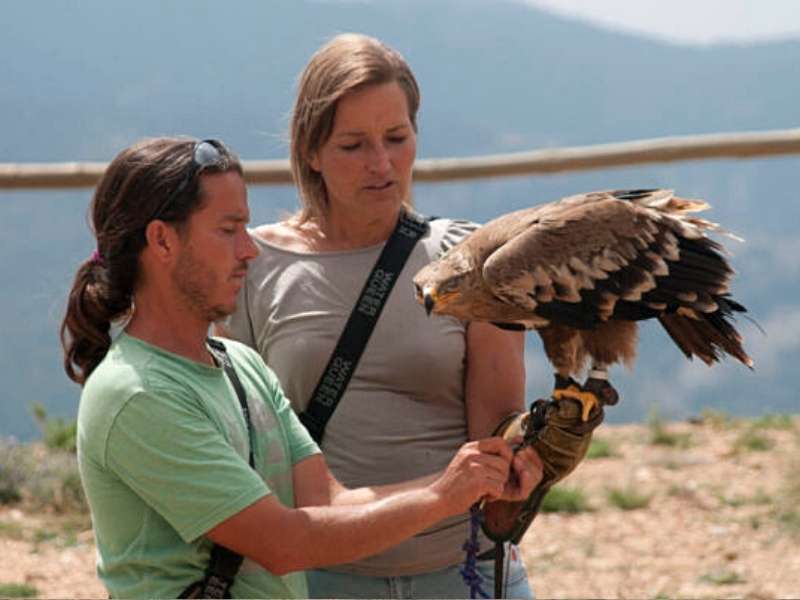
We decided to turn our home into a wildlife refuge. We knew it was a risky decision. Everyone told us the same thing: that there was no tourism, that it would not be financially sustainable, that it would not work.
But my experience had already taught me something different:
when you truly believe in what you are doing, work relentlessly and do not give up, even projects that once seemed impossible can be achieved.
Our aim was to rescue wildlife and, at the same time, help people understand why protecting nature truly matters — not through speeches, but through direct experience.
Giving up was not an option
I knew it would not be easy. But I had no idea how hard it would be.
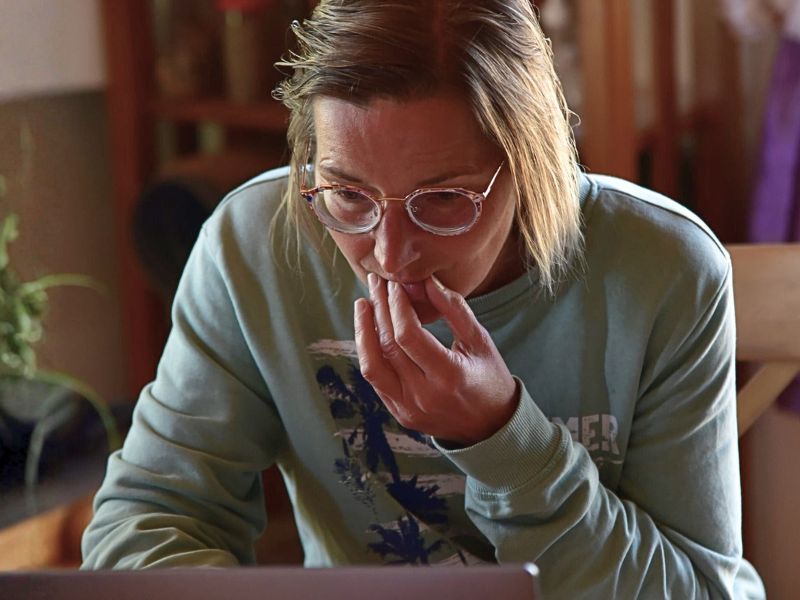
For almost four years, we lived immersed in permits, endless paperwork, frustration and a constant sense of powerlessness in the face of Spanish bureaucracy.
Each department demanded something different. What one authority approved, another rejected. Still, we continued — step by step, returning, insisting, adapting.
It was neither quick nor comfortable. But we made it work.
Putting everything on the line
Four years of permits cost us not only time, but money. A great deal of it. Reports, procedures and administrative requirements that amounted to thousands of euros.
During this period, in order to support ourselves financially, Eloi worked as a shepherd and I worked as a tour guide at the Salí de Cambrils.
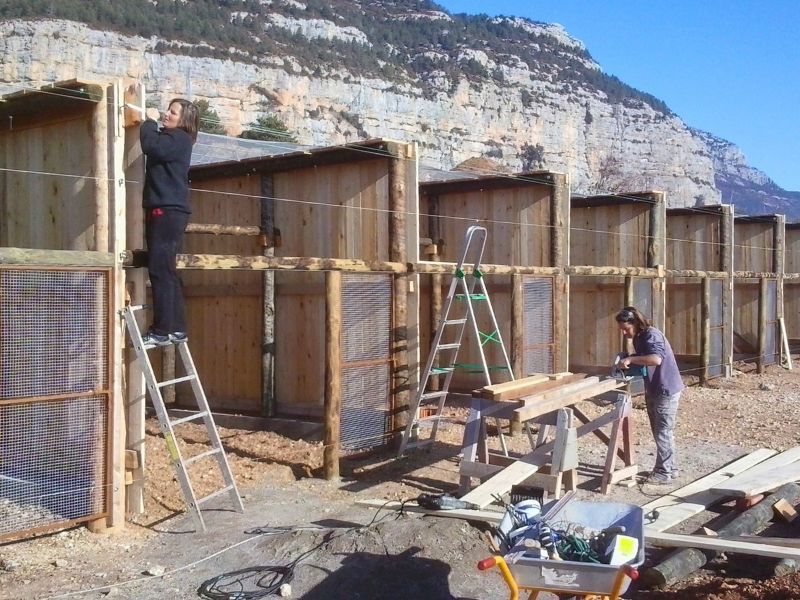
When permission finally arrived, we made a clear decision: to sell everything we still owned in order to purchase the materials we needed.
Together with my children, we worked tirelessly to build the first facilities — with our hands, a clear idea and countless hours of hard physical work. Six months later, the project became reality.
The Zoo of the Pyrenees opened its doors to the public on 21 June 2014.
Where we are today
A project that has grown
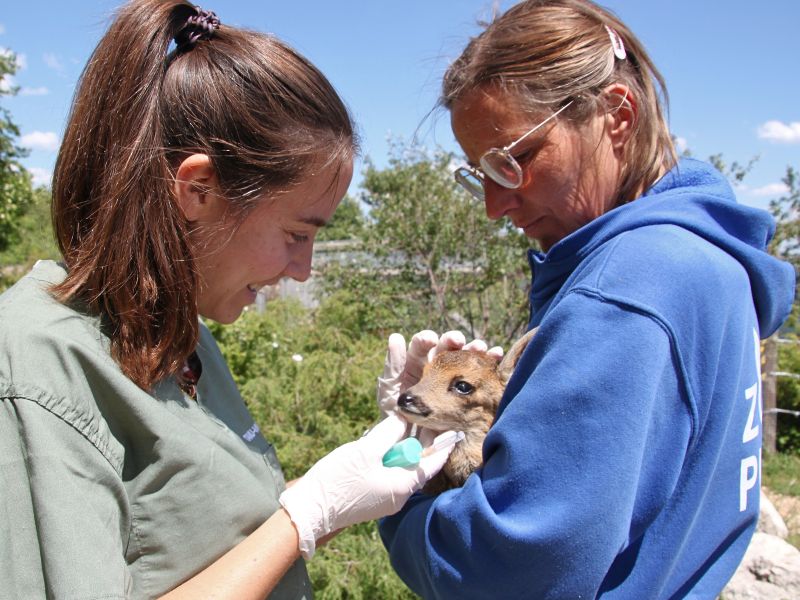
Over the years, the Zoo of the Pyrenees has evolved. It has grown, adapted, and become the largest private wildlife rescue centre in Catalonia.
Our team has grown as well. Today we work with highly qualified professionals, including one of the leading wildlife veterinarians in Spain.
We currently work with a Core team of seven professionals, supported by Students on placement and Volunteers. A structure that enables us to work with rigour and continue to grow.
A reality that cannot be ignored
Meanwhile, in Catalonia, public authorities are increasingly stepping back from responsibility for non-protected wildlife.
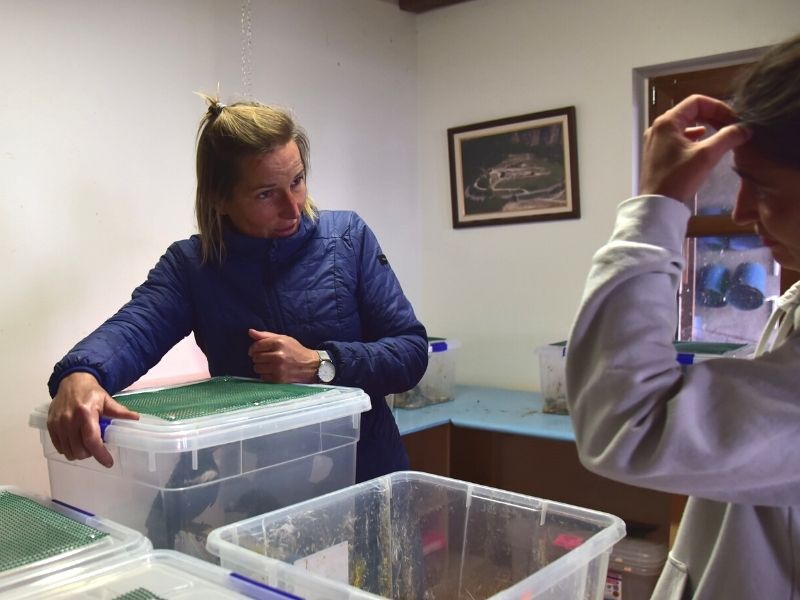
Many people who find an injured wild animal call emergency services believing they are helping.
From my experience, that animal has approximately a 60% chance of being euthanised — not necessarily due to the severity of its injuries, but simply because it does not belong to a prioritised species.
It is a harsh reality — but a very real one.
The next step
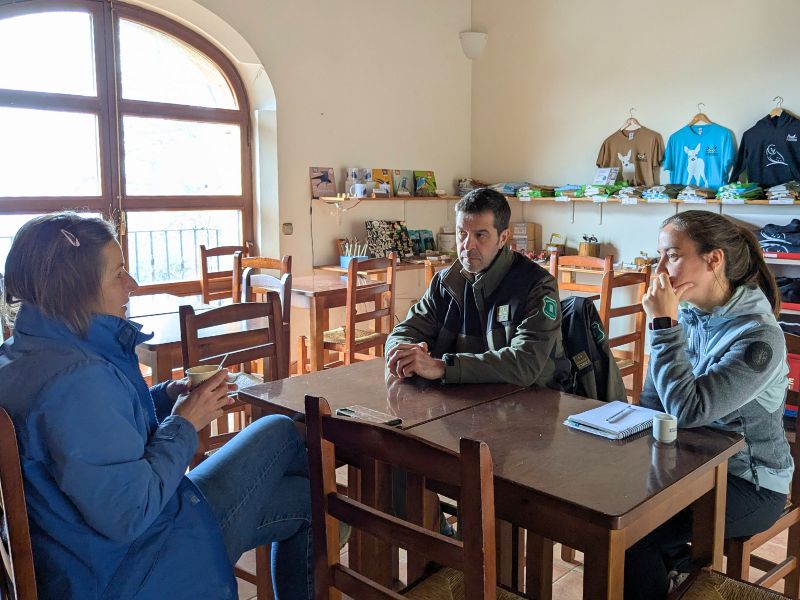
After everything I have experienced, one thing is clear. Continuing to rescue animals is essential. But if the way we understand and protect nature does not change, the same problems will keep repeating.
True protection cannot depend solely on public administration or decisions made in offices by people who never set foot in the territory. It must arise from the people who live here, who value their land, and who refuse to lose it.
That is why my work today is not only about rescue, but about building a system that works — one that is sustainable and proves that protecting nature creates social, cultural and economic wealth.
Such a system has to be built through alliances between people, companies and institutions that share a long-term vision.
This is where the next chapter of the project begins.
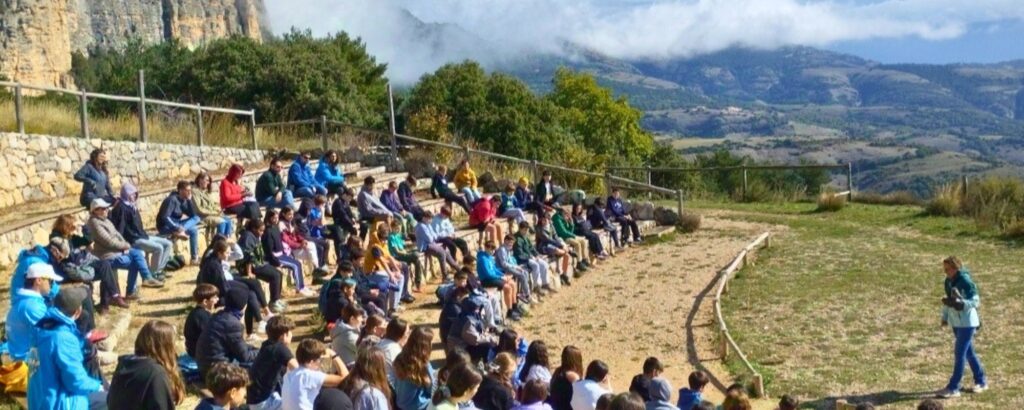
Some things can only truly be understood when you experience them firsthand.


